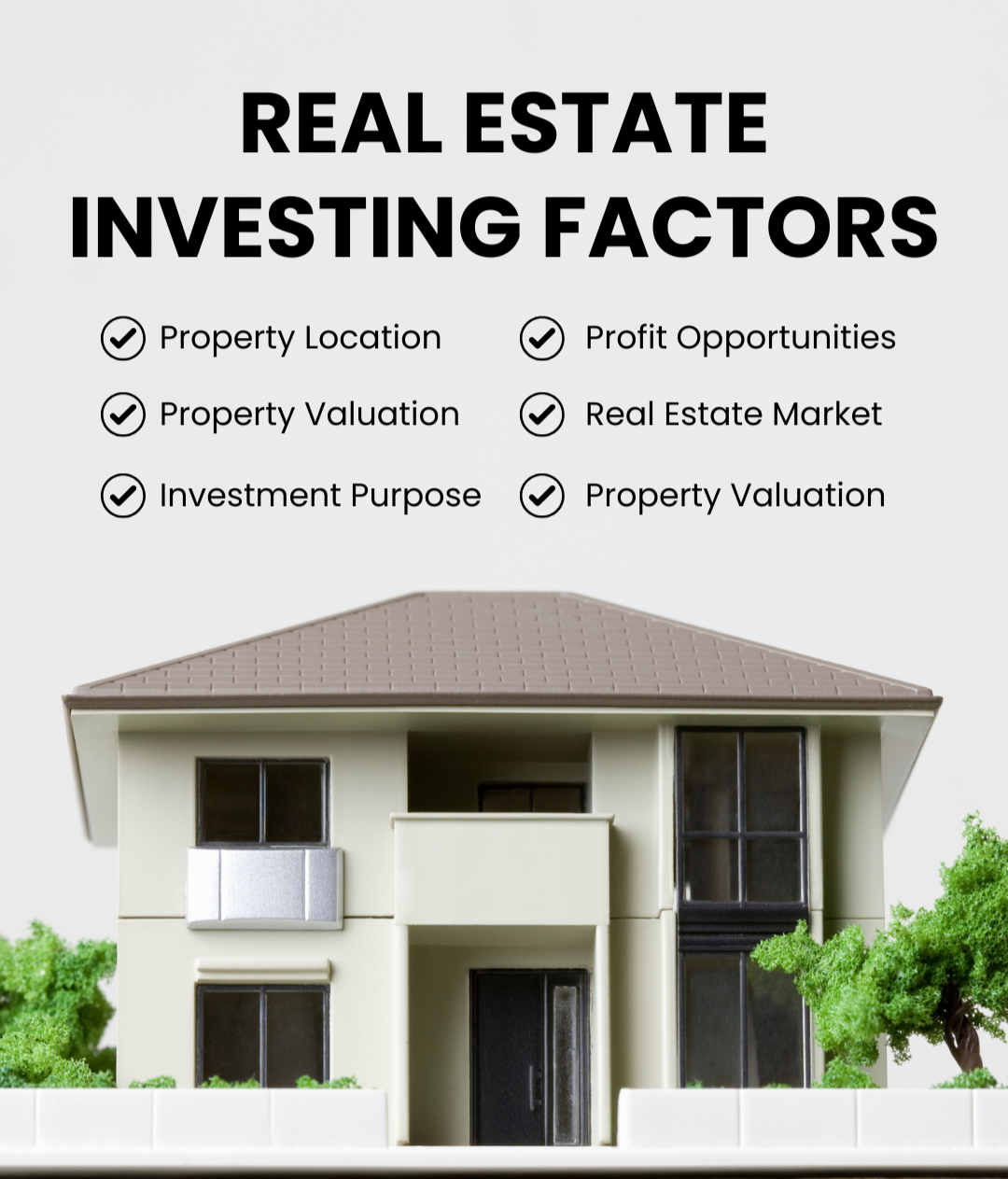
Real estate investing isn’t just hype — the numbers back it up. Data from long-term market performance shows that real estate has delivered steady returns, helped investors build equity, and contributed to a significant wealth gap between homeowners and renters.
Across decades, U.S. housing values have appreciated steadily. According to national data, residential real estate has increased in value by roughly 3% to 5% annually on average, driven by demand and limited supply. This consistent growth allows investors to build equity over time as home prices rise. JWB Real Estate Capital
Return data shows real estate can outperform or match other major asset classes. On a long-term basis, private commercial real estate held for investment purposes has generated strong average annual returns, slightly outpacing broader market indices like the S&P 500 over 25 years.
Rental income is another key driver. Many investors look for a good return on their rental properties — industry benchmarks suggest a solid ROI on rentals typically sits between 8% and 12%, depending on the market and strategy. Rentastic In some U.S. cities with low entry costs and strong rent demand, gross rental yields can exceed 6.5%, making cash flow a meaningful part of total returns. Global Property Guide
Real estate investing has also shaped wealth patterns across the country. Data from wealth studies indicate that approximately 90% of U.S. millionaires have gained at least part of their wealth through real estate investing, showing how property ownership can contribute to overall financial success. 208.properties
The value gap between homeowners and renters underscores this effect. Research shows that the median wealth of homeowners far exceeds that of renters by hundreds of thousands of dollars, much of which comes from property equity built over years of ownership. Urban Institute
Using leverage — borrowing to buy property with a mortgage — allows investors to control valuable assets with relatively small upfront capital. As tenants pay rent, mortgage balances decrease, equity increases, and investors benefit from both rental income and property appreciation.
Yet real estate isn’t without risk. Market conditions, interest rates, and local supply/demand dynamics influence returns, and thorough analysis — including calculating ROI, cash flow, and appreciation trends — is essential for smart investment decisions. Stessa
In summary, real estate continues to prove itself as a wealth-building asset through steady appreciation, recurring rental income, and long-term performance that compares favorably with other investments. For investors focused on long-term financial goals, the data supports real estate as a valuable part of a diversified portfolio.